
 A seat next to Kwashie Agbitor (pictured below) was one of the most highly sought-after spots at SAM 2023 in Togo in October. Mr Agbitor has 20 years of experience in Africa and Asia, improving branch operations, credit appraisals, risk management, methodology auditing, product development, client protection and social performance management.
At SAM 2023, Mr Agbitor moderated a discussion titled “Climate funds, an opportunity for financial institutions to scale up sustainable and inclusive financing.” The panelists represented the Tunisian microfinance institution (MFI) Enda Tamweel, the Belgian impact investment firm Incofin, the Kenyan microlender Juhudi Kilimo and the French impact investor Solidarité Internationale pour le Développement et l’Investissement (SIDI).
Bob Summers: How can financial services providers (FSPs) work with climate funds to expand their green lending portfolios?
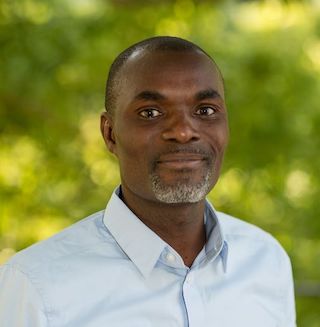 Kwashie Agbitor: There are numerous opportunities for financial institutions to build their green portfolios with climate funds. Financial institutions can leverage equity, debt and quasi-equity sources of funding from various types of organizations. Climate funds can be used to develop and deploy financial services that support the adoption of green products/solutions and help people recover from climate-related shocks. Given their nature, most climate funders also provide technical support/assistance in addition to funding.
BS: What factors influence whether a climate fund would invest in a particular MFI?
KA: Firstly, the MFI and the investor must
 This annual gathering promotes trade between Africa and Europe, North America and Asia. The agenda will include
  Singapore-based Grab recently added the payment solution of Vietnam’s MoMo to its “super-app” so that Grab customers in Vietnam have an additional option for making cashless payments for services such as hailing a motorbike, shopping online, ordering meal delivery or buying insurance. MoMo allows users to send funds from